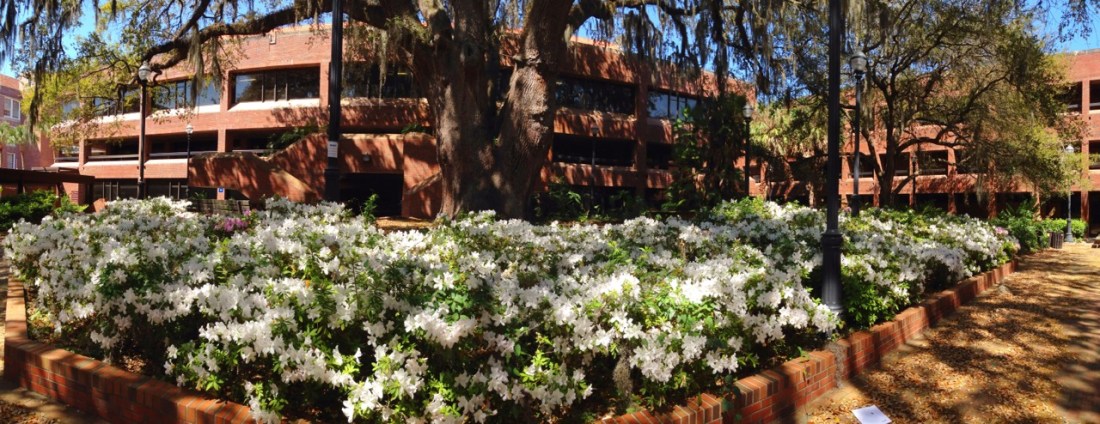
Norman Hall courtyard, Spring 2014, UF
Infrequent & Divergent Thoughts & Images
Norman Hall courtyard, Spring 2014, UF
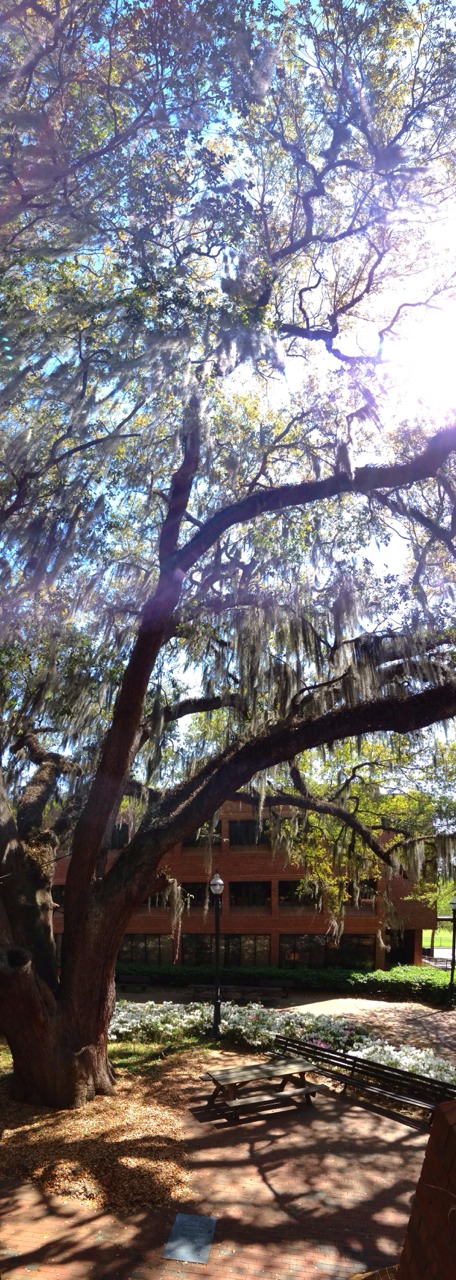
Norman Hall courtyard, Spring 2014, UF

Outside. Norman Hall.

Older hydrangea photo for Anna.
Hydrangeas as measurement of time.

Norman Hall, UF. #uf #ufl #education

Hydrangea
Concrete #uf #universityofflorida #normanhall
Fog #unf #jacksonville
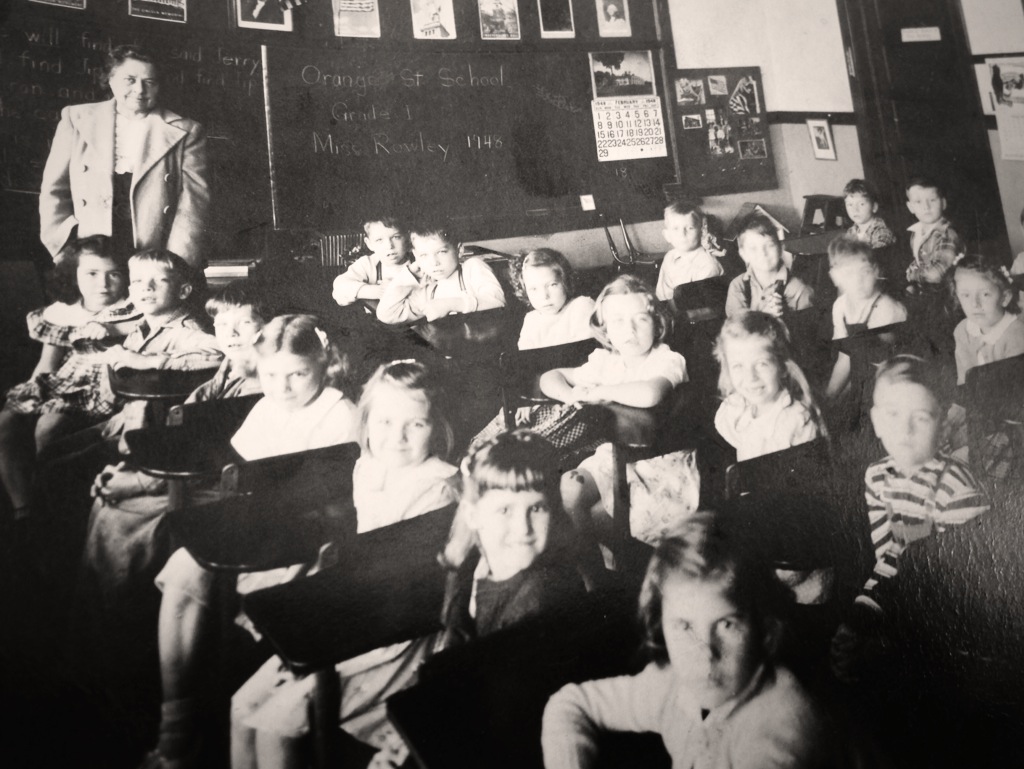
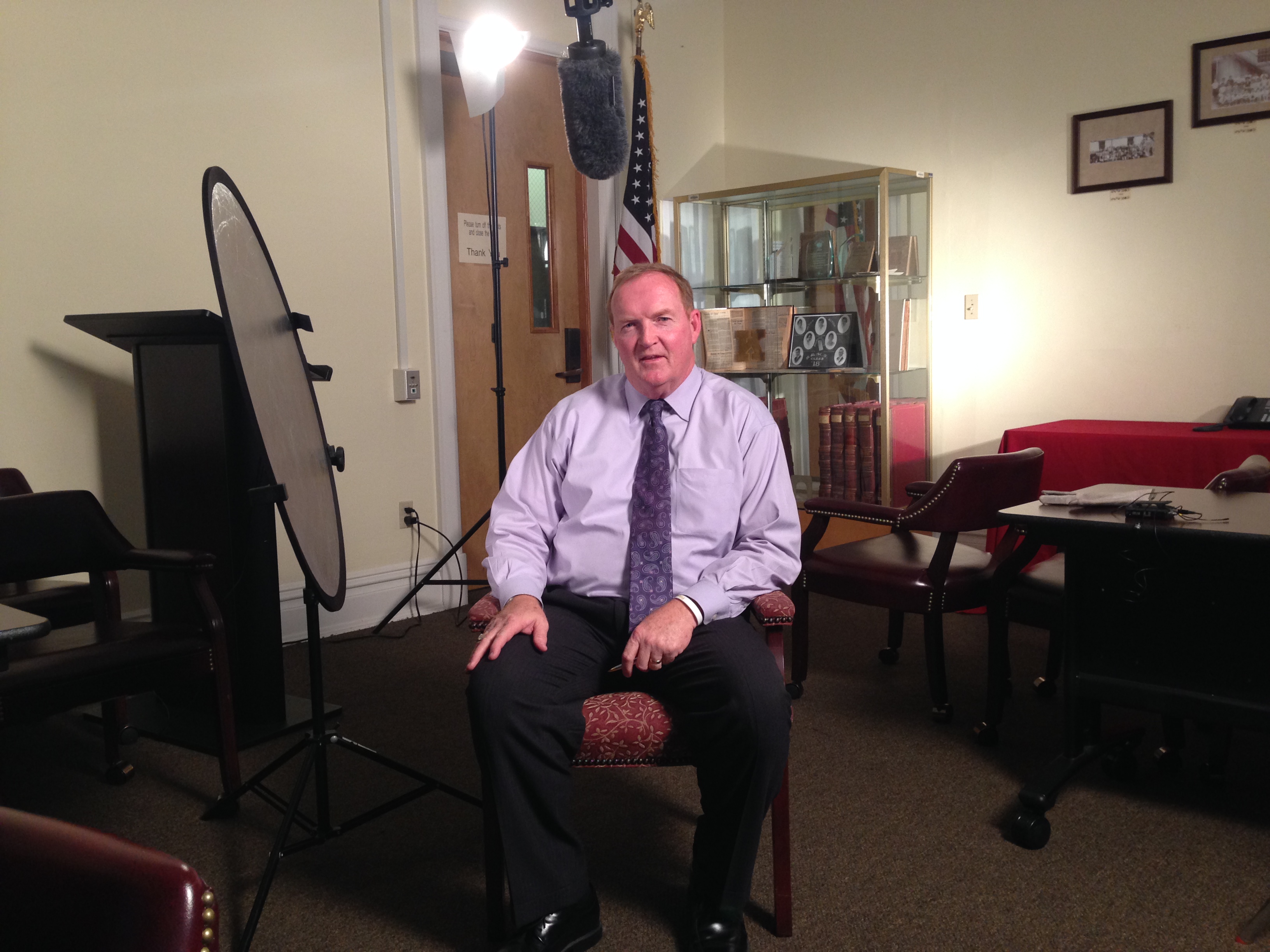
Yesterday, I was given the opportunity to interview a few members of the district leadership in St. Johns County School District, including the superintendent (Dr. Joyner- pictured above), who left me reflecting for the rest of the evening. Dr. Joyner spoke of servant leadership, shared values, and his passion for doing the best thing for the students of the community. Two of his principals echoed his drive for the continuous improvement of the learning experience for all students while staying true to the core values of the community in which they serve. This interview experience was something very special. I felt like I was granted a small glimpse into the inner workings and decision-making of the school district. More than that, I felt as if I was not interviewing but learning more than I had expected, reminded of my own core values and my continuing education. The day left me reflecting long into the evening and this morning. I am grateful for this chance to better understand one of the state’s top leaders and his leadership team.

This experience kept reminding me of reading beyond the Greenleaf book about servant leadership. It reminded me of the philosophical writings on values and ethics that meant so much to me (Keirkegaard, Scarry, Simone Weil, etc.), and I was off revisiting things that I had kept on our shelves at home (probably as some sort of physical version of my mental schema). There has never been a way to silo, compartmentalize or categorize experiences as discrete things with no relation to one another. Things are related, even when it is imperceptable. For me, this is a basic truth. The experience of interviewing these individuals, my own personal desire to grow in my understanding of the world, and the reading that has kind of continued to build my Borges-like library are all connected. My dissertation, which is centered on perception and a desire on the participants’ part to lead education, is related. I may not have made all the connections or discovered the links between these facets of my life, but I am certain that they are not completely divorced from one another. I was reminded of this yesterday during a simple interview with really amazing people.


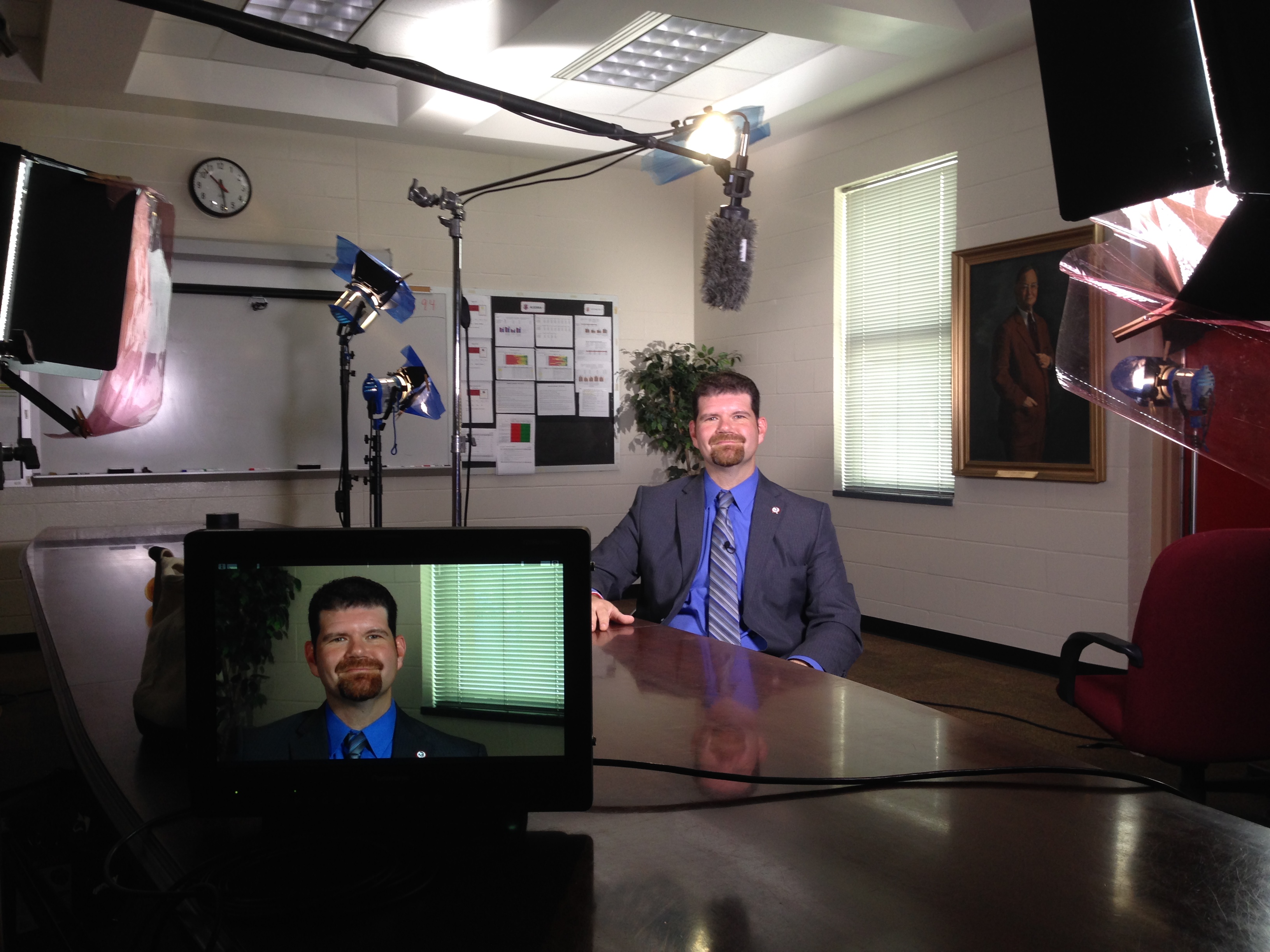
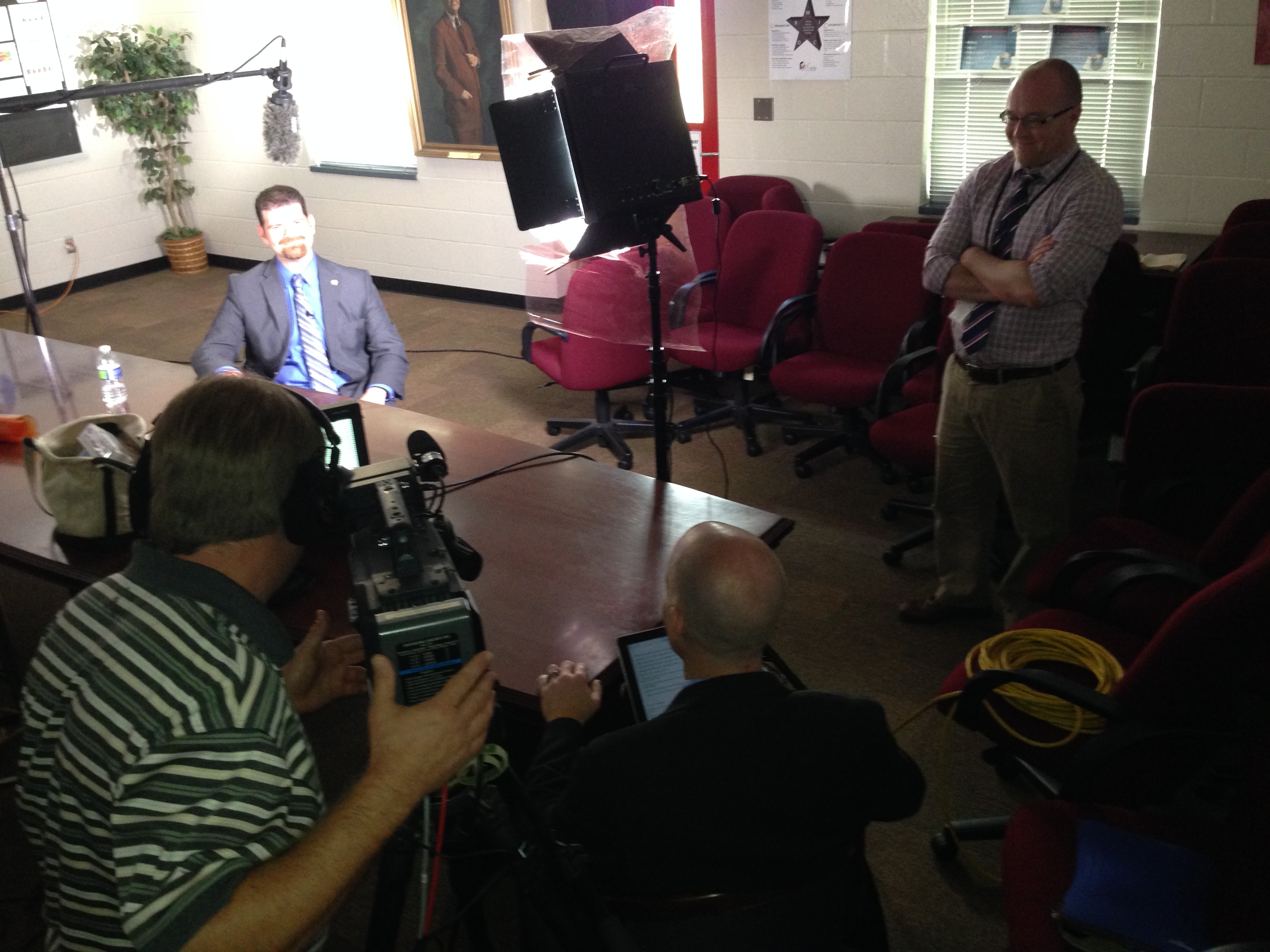

Setting up the shot at Flagler Palm Coast High School. Next week includes visits to Duval and St. Johns County.
Aesthetics and the blind search for a cogent statement that would tie an aesthetic philosophy neatly in a bow are kind of Quixotic aspirations for me. However, I again search through Merleau-Ponty, Sontag, Adorno, etc…and learning theories…which always lead me to these two gentlemen.
“Apart from organs inherited from animal ancestry, ideas and purpose would be without a mechanism of realization…the intervention of consciousness adds regulation, power of selection, and redisposition…its intervention leads to the idea of art as a conscious idea- the greatest intellectual achievement in the history of humanity.” – Dewey, Art as Experience (1934)
“We shall never be able to understand the laws governing the feelings and emotions in a work of art without proper psychological investigation. It is also remarkable that the sociological studies of art are unable to completely explain the mechanics of a work of art.” – Lev Vygotzky, (1925)

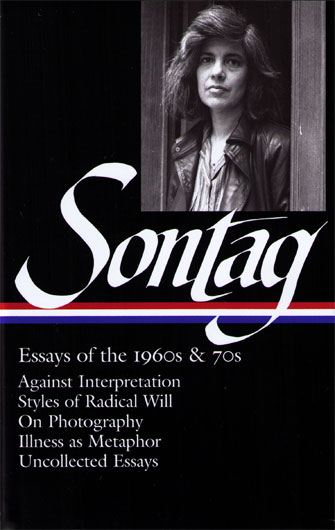
Favorite Books about (or regarding aspects of) Aesthetics:
Not posting direct links to purchase these things. But, if you find any of the titles interesting, you’ll be doing yourself a huge favor in finding, borrowing, purchasing, or stealing a copy.
Some covers:





My river run number.
The 2014 LOVEbook arrived in the mail. It looks fantastic. Lots of good writing, and I have one poem included. Thanks to this brilliant Midwest team of poetry creators and lovers. Check them out at their Facebook page or Twitter (@spZce).


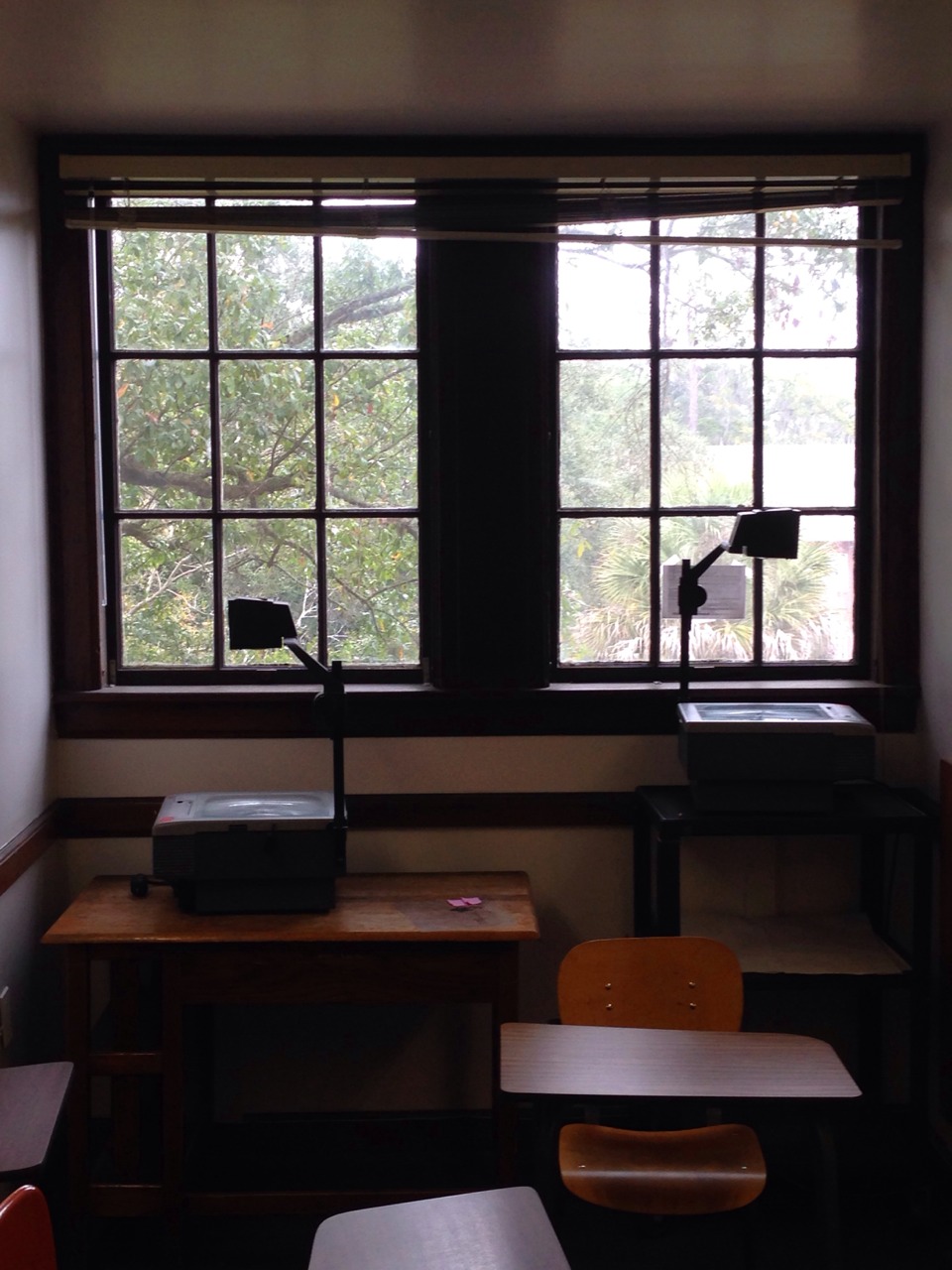
Instructional technology, like elephants, returns to where it was born to die. These returned to the light.

Banana (aka a @annamaria0717 nightmare)
Via Braincraft and Explore.

Wall, parking garage, reflecting my mood
Does dreaming and the recalling of dreams suggest anything about the individual? More specifically, does dreaming explain anything about the adolescent mind?
I read a couple of studies take this question.
First, Dr. David Watson’s study, from which this extended quote is derived:
“What gives rise to these individual differences in dream recall? Much of the research in this area derives from the salience hypothesis. This hypothesis represents a natural extension of the more general cognitive literature on the processes that influence the recall of information (see Cohen, 1974; Goodenough, 1991). Salient stimuli—for example, items that are novel, intense or unusual— are more easily remembered. Dreams also conform to this general pattern; thus, considerable likely to be remembered (Cohen, 1974; Goodenough, 1991). For instance, Cipolli, Bolzani, Cornoldi, de Beni, and Fagioli (1993) classified dream content as either bizarre or nonbizarre, and found that the rate of delayed recall for the former was approximately twice that of the latter. Extended into the realm of individual differences, this model posits that people who tend to have more memorable dreams—that is, dreams that are highly vivid, intense, unusual, and interesting—should show better overall recall. This basic idea has received broad support. This evidence comes from two interrelated lines of research. The first line emphasizes the normal and adaptive aspects of dream recall, and is based on a continuity model of human consciousness (Blagrove & Hartnell, 2000; Claridge, Clark, & Davis, 1997; Goodenough, 1991) . This model assumes that people who have interesting, vivid and unusual experiences during the day—for instance, those who are highly creative, imaginative, and prone to fantasy—also will have more salient and memorable dreams and, hence, show better dream recall.”
Then, there is this wonderful study with a larger sample size (5,000+), led by a team from the University of Basel (Switzerland). The following is quoted from the abstract:
“Results: As compared with males, female adolescents reported a higher dream recall rate and felt a stronger impact of dreams on the subsequent day. Female adolescents also described themselves as more creative, and reported suffering more from sleep complaints and perceived stress. Multiple regression analyses further revealed that increased dream recall was independently predicted by factors such as female gender, sleep quality, and creativity, whereas perceived stress, awakenings during the night, and sleep duration had no predictive value.
Conclusions: Similar to the findings of studies conducted on adults, dream recall was also associated with female gender in a large sample of adolescents. Additionally, it seemed that several different factors such as good mood, increased sleep quality, and creativity influenced dream recall. These results can provide a basis for better understanding the psychology of dreams in adolescence. In contrast to nightmares, recalling dreaming is associated with health and well-being.”
If one has the time, it may be beneficial to seek out the following studies:

Image- Leonardo Da Vinci, c. 1508
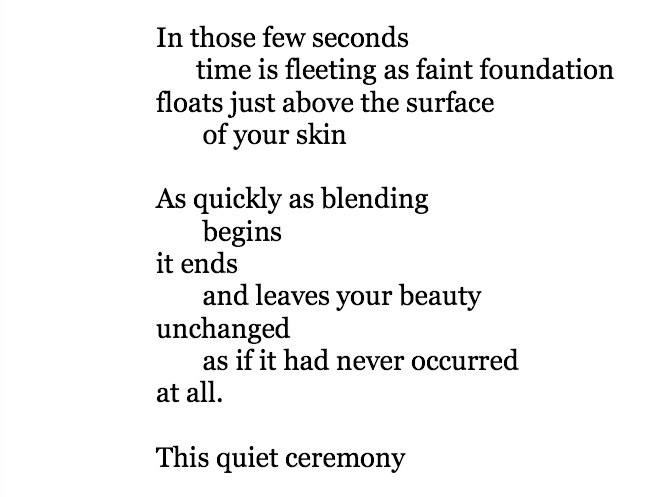
Mornings, make-up.
Random links related to my thoughts on poverty and access to opportunity in education. This is completely random, and I collected studies along the way. I will attempt to produce a cogent thought at some other point. For now, here are some notes.
Do you believe that every human being deserves an opportunity to learn, to become an informed citizen of the world?
Do we treat the symptoms of the issue or the issues at the root of the problem?
“To critics of the reliance on standardized testing, the problem is a matter of emphasizing the wrong metrics. Equal access to high quality education, they argue, is the key to improving student learning.’We’ve been focused on test-based accountability, but testing does not equal accountability,’ Linda Darling Hammond, a professor of education at Stanford University, said at an event on the results in Washington on Tuesday. ‘Accountability is when you have a system that works for each and every child.'”
– Maya Rhodan (Read the article at this Link) on PISA results in Time, December 2013.
October 2013 Washington Post Article on SAT scores and socio-economic status
2009 NY Times Article on SAT and socio-economic status
In her dissertation Linda Ruth Williams Sorhaindo (2003) examined a sample of 9,000 4th and 8th grade student achievement scores in the Miami-Dade Public School system. She compared student scores and tested to see if there was a relationship between degree of poverty and academic achievement test scores. Read more here.
Check out Jeremy Allan Moore’s (2011) dissertation correlating poverty and student achievement scores in Florida here. Hint from his abstract-
“This study was successful in quantifying correlations between poverty and student achievement in Florida by utilizing FRPL as a proxy for poverty and FCAT as an indicator of student achievement. Correlation results ranging from -0.761 to -0.855 demonstrated strong associations between these variables. Over the span of years observed, as poverty levels increased in Florida schools, 76 percent to 86 percent of the corresponding student achievement scores decreased. These connections provided measured relationships between poverty and student achievement.”
Moore (2011)
 Dr. Jason Dean Arnold